
Let The Dead Things Go
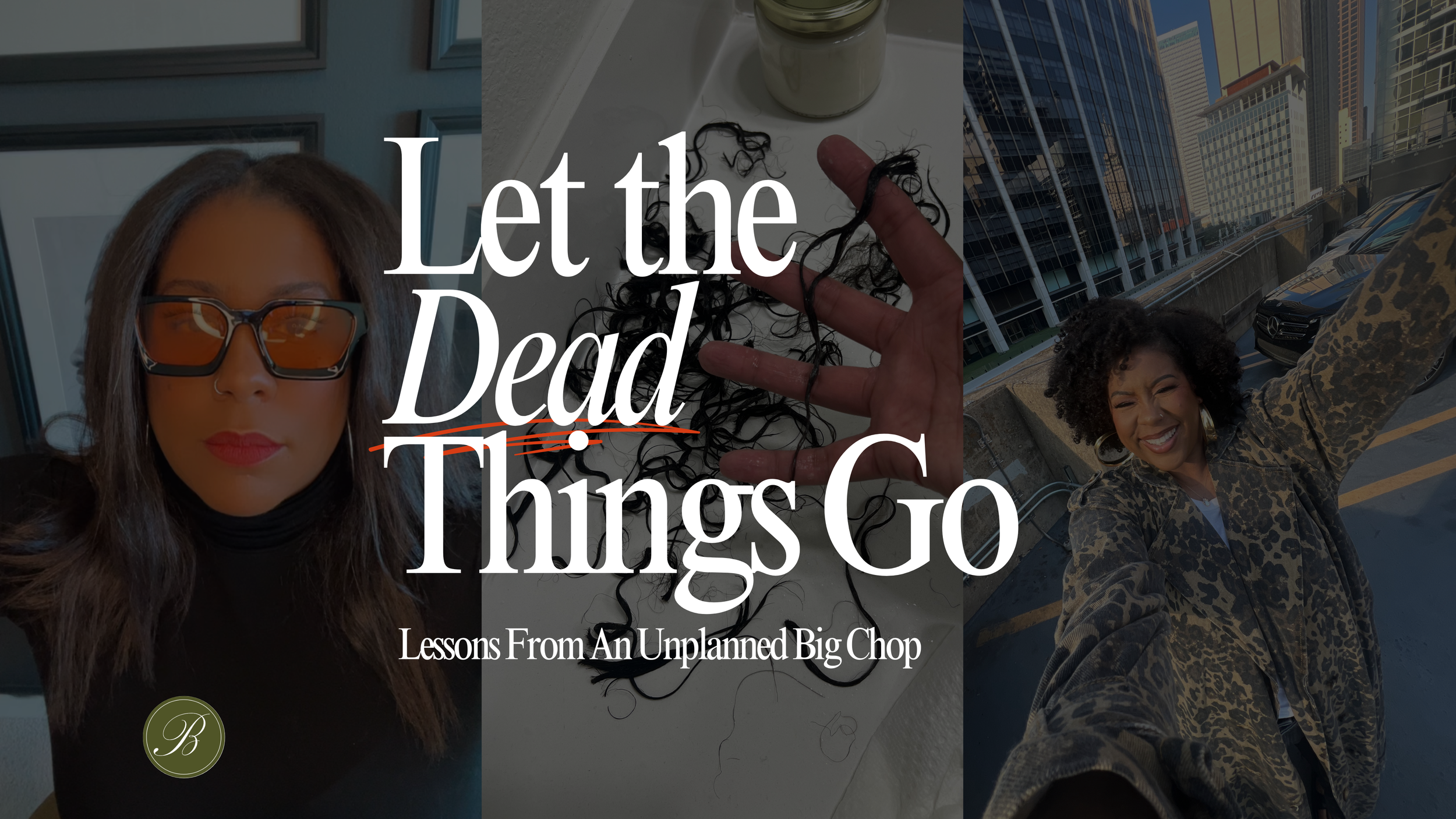
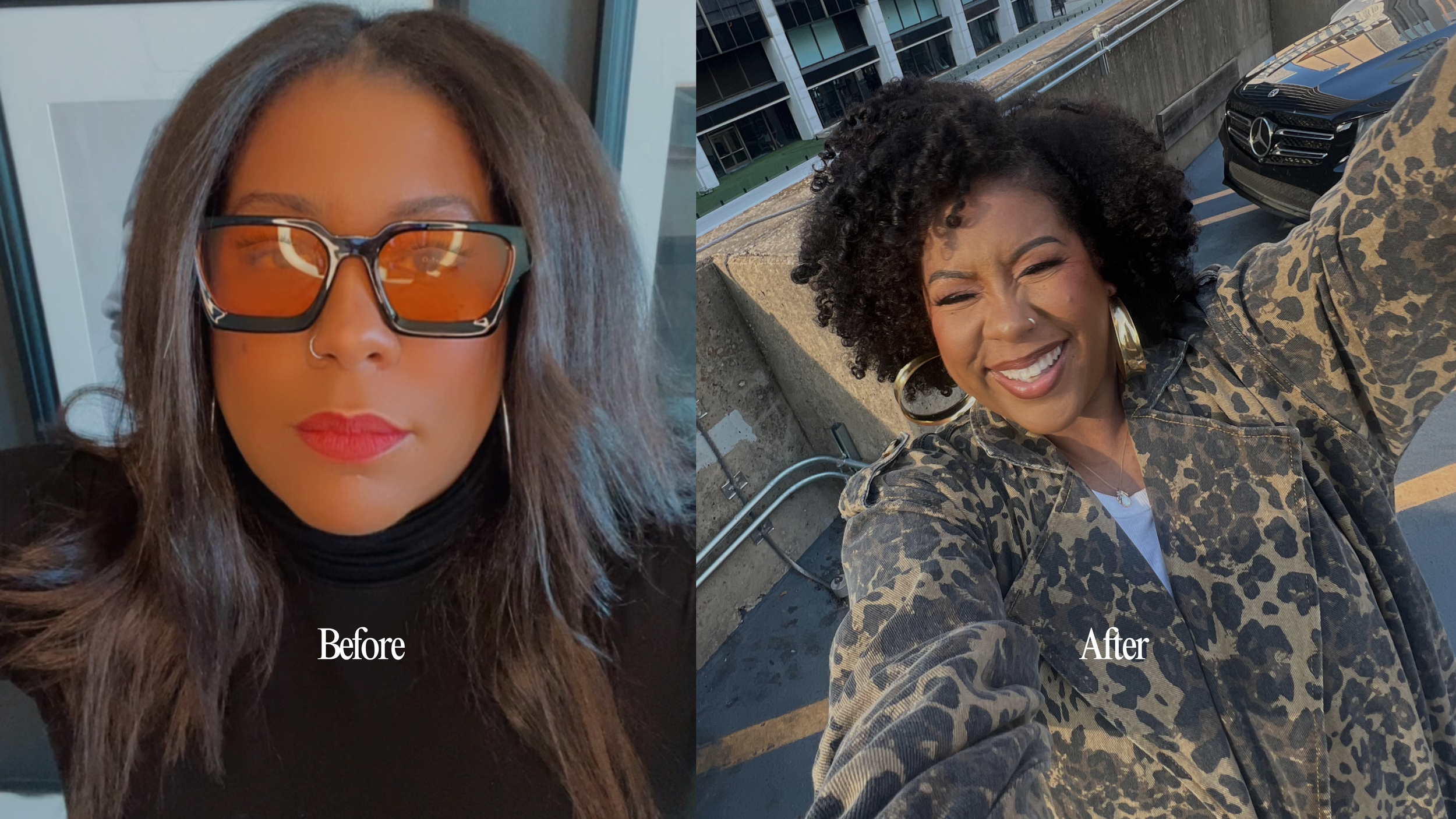
I cut my hair this year.
Not a trim. Not "just a little off the ends." A real, deliberate cut that made people do double-takes and ask questions I didn't always want to answer.But here's what made me finally pick up those scissors: there was a point where the damaged part met the new growth. A clear line of delineation between what was dying and what was trying to live. And right at that spot—where the old met the new—my hair strands were most fragile. They snapped. They broke off, one by one, no matter how gentle I tried to be.Holding onto those dead, damaged, brittle ends taught me more about life, faith, and growth than I expected. Here's what I learned.Healing starts when we’re honest about what’s actually growing.
When straightened, my hair appeared healthy. But it wasn't. You know what's wild? I could flat iron my hair and make it look completely fine. Sleek. Shiny. Put together. People would compliment it. I'd catch my reflection and think, "See? It's not that bad."But the truth doesn't change just because you've smoothed over the surface.The same is true for our lives. We can straighten out our image, manage our reputation, curate our social media, and perform our way into looking like we have it all together. But God isn't fooled by a flat iron. "The Lord does not look at the things people look at. People look at the outward appearance, but the Lord looks at the heart" (1 Samuel 16:7).Healing doesn't start when things look fixed. It starts when we're honest about what's actually broken.People will question your decisions to cut things off that they think are working just fine.
People thought I was crazy for wanting to cut it. Some even judged me. They couldn't see the damage like I could. And here's the kicker—they didn't have to manage the weight of trying to meet their expectations of how I should look. This is the loneliness of growth. People will question your decisions to cut things off that they think are working just fine. They'll tell you you're overreacting, being dramatic, throwing away something good. But they're not the ones detangling the knots in private. They're not the ones feeling the weight of what's no longer serving you. "Am I now trying to win the approval of human beings, or of God? Or am I trying to please people? If I were still trying to please people, I would not be a servant of Christ" (Galatians 1:10). You will lose people when you choose wholeness over their comfort. And that's okay. Their opinions don't have to carry the same weight as your peace.When we refuse to let go of what’s unhealthy in our lives, rest becomes impossible.
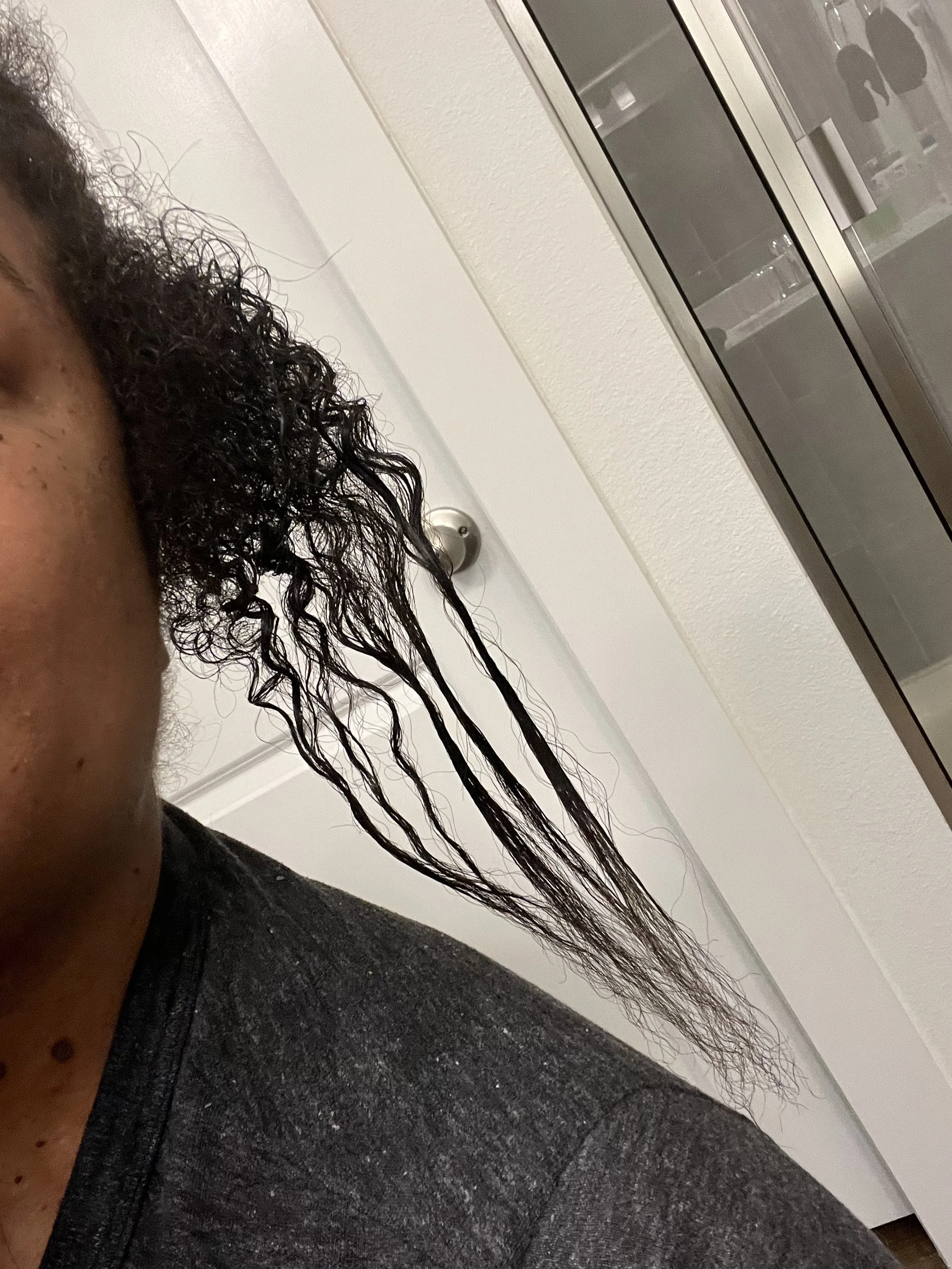
Washing my hair too so much longer. Damaged hair doesn't just look bad—it complicates everything. Wash day became an event. Detangling was a battle. What should have been simple self-care turned into an exhausting ritual. When we refuse to let go of what's unhealthy in our lives—whether it's a relationship, a job, a mindset, a habit—maintenance becomes overwhelming. We spend so much energy trying to salvage what's already dead that we have nothing left for what's actually alive and growing. "Come to me, all you who are weary and burdened, and I will give you rest" (Matthew 11:28). Jesus didn't invite us into a life of constantly managing brokenness. He invited us into rest. Sometimes rest requires a cut.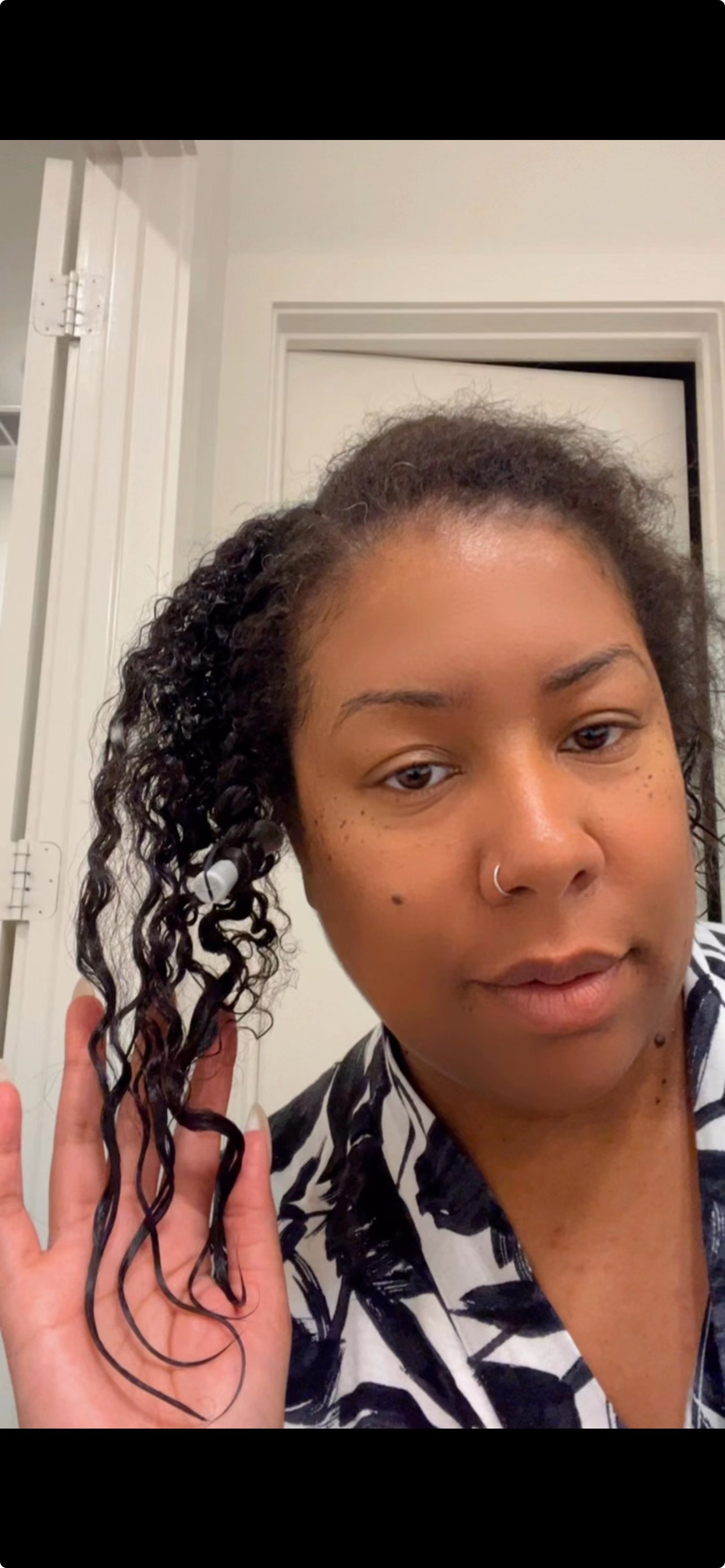
Sometimes freedom costs you the approval of people who loved you better when you were bound.
I wasn't afraid of what my hair would look like short. I was afraid that others wouldn't like it.Let's be honest. The fear of change is rarely about the change itself. It's about how people will respond to it.I knew I could rock short hair. I'd seen pictures. I'd imagined it. But what if they didn't like it? What if they preferred the old version of me? What if cutting my hair meant cutting their approval too?This is the prison of people-pleasing. We stay stuck in versions of ourselves that no longer fit because we're terrified of disappointing people who may not even notice we're suffocating."It is for freedom that Christ has set us free. Stand firm, then, and do not let yourselves be burdened again by a yoke of slavery" (Galatians 5:1).Freedom will cost you the approval of people who loved you better when you were bound.Just because I can do it myself doesn’t mean I have to.
There's something empowering about doing it yourself. Taking the scissors into your own hands and making the decision. I'm glad I did it.But I also realize now—I could have asked for help. I could have let someone with skill and experience shape it into something even better than what I envisioned.We do this in life too. We think we have to heal alone, grow alone, figure it all out by ourselves. But "two are better than one, because they have a good return for their labor: If either of them falls down, one can help the other up" (Ecclesiastes 4:9-10).Going to therapy isn't weak. Joining a small group isn't needy. Asking for discipleship isn't immature. Sometimes the bravest thing you can do is invite someone trustworthy into your process.When you release what’s dead, you make room for what’s next.
Just because I cut it doesn't mean I'm locked into one look forever. I can twist it. Braid it. Color it. Grow it out. Try something totally new.Letting go doesn't limit your future—it opens it up."See, I am doing a new thing! Now it springs up; do you not perceive it?" (Isaiah 43:19).When you release what's dead, you make room for what's next. And what's next doesn't have to look like what came before. God is creative. He's not interested in keeping you stuck in old patterns just because they're familiar.Sometimes we use performance to hide our pain.
My hair needed a break from the heat, the braids, and the weave. Sometimes the very things we use to make ourselves presentable are the things slowly killing us.The heat made my hair straight, but it also made it brittle. The braids gave me a break from styling, but they pulled at my edges. The weave gave me length, but it hid the damage underneath.We do this with our souls too. We use performance to hide our pain. We use busyness to avoid our feelings. We use perfectionism to mask our insecurity. And all the while, we're damaging the very thing we're trying to protect."He makes me lie down in green pastures, he leads me beside quiet waters, he refreshes my soul" (Psalm 23:2-3).Rest isn't lazy. It's restorative. And sometimes the most spiritual thing you can do is stop trying so hard to hold it all together.Here’s the bottom line:
If you’re feeling the tug to cut something off in your own life - a habit, a relationship, a version of yourself that no longer fits…
it’s ok to let it go.
The cut was necessary. It was humbling. It required me to let go of something I'd held onto for too long.But it also set me free.And if you're reading this and feeling the tug to cut something off in your own life—a habit, a relationship, a version of yourself that no longer fits—I want you to know: it's okay to let it go.You're not losing anything that was meant to stay. You're making room for what God is growing next."Forget the former things; do not dwell on the past. See, I am doing a new thing! Now it springs up; do you not perceive it?" (Isaiah 43:18-19).The cut is just the beginning.